Why Open Cell Ceiling Systems Are Defining Contemporary Australian Interiors
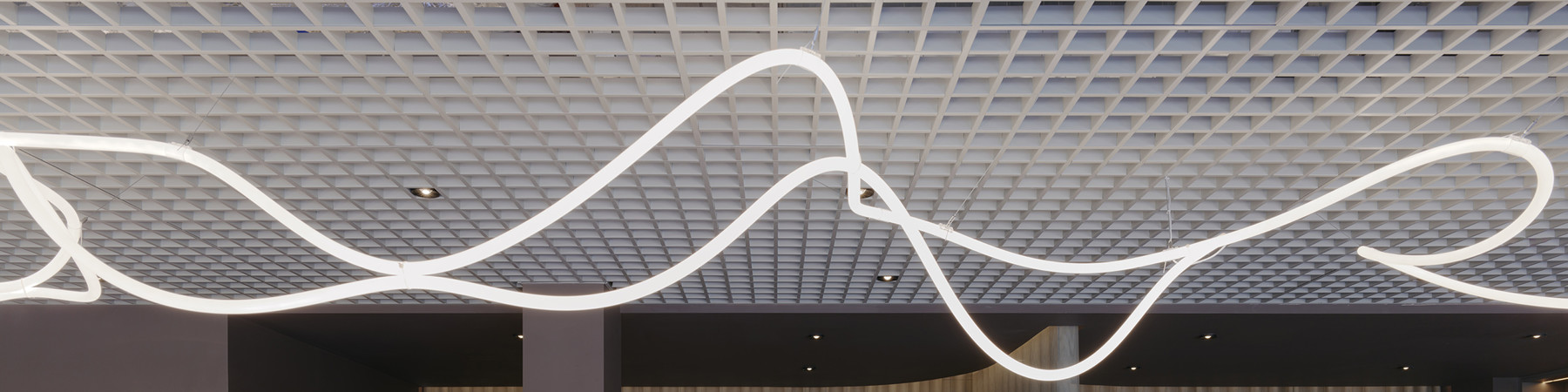
Across Australia’s commercial, transport, education and hospitality sectors, open cell ceiling systems are rapidly becoming one of the most specified architectural ceiling solutions.
While traditionally valued for their accessibility and acoustic benefits, architects are now increasingly selecting open cell systems for another reason entirely — their ability to create visually striking, highly contemporary interiors.
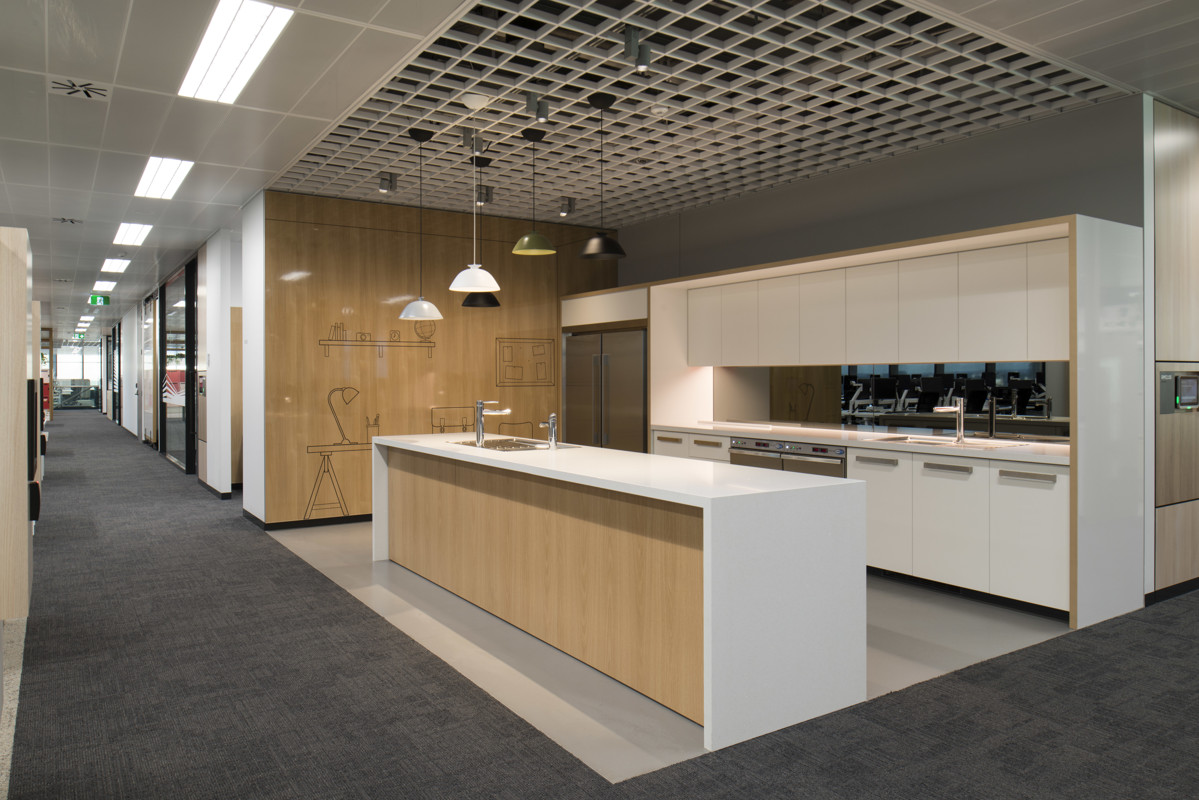
Open cell ceilings have evolved beyond purely functional applications. Today, they are being used as a key architectural feature that introduces depth and rhythm into interior spaces while maintaining practical access to the building services above.
The Appeal of Open, Exposed Ceilings
Rather than concealing every service within a flat monolithic ceiling, architects are embracing exposed ceiling design that create spaces that feel lighter, taller and more dynamic. Open cell ceiling systems support this design aesthetic perfectly.
The open grid structure creates visual texture without overwhelming the space, allowing lighting, air movement systems and structural elements to integrate naturally into the architectural language of the interior.
This approach is increasingly being adopted across:
- Commercial workplaces
- Airports and transport infrastructure
- Universities and education facilities
- Retail and hospitality projects
- Public buildings and civic spaces
Open cell ceilings help organise complex ceiling services while still maintaining a clean appearance.
Accessibility Without Sacrificing Aesthetics
One of the major reasons open cell systems are gaining momentum in Australia is their accessibility.
Modern buildings require constant access to services above the ceiling for maintenance, upgrades and future adaptability. Traditional ceiling systems can make this difficult and can often deteriorate visually over time as panels are removed and replaced.
For architects and building owners, open cell ceilings offer these significant long-term advantages:
- Easier maintenance access
- Reduced disruption during service upgrades
- Improved lifecycle durability
- Greater flexibility for future building changes
- Consistent architectural appearance over time
Importantly, these practical benefits are achieved without compromising the overall design intent of the space.
A Strong Architectural Statement
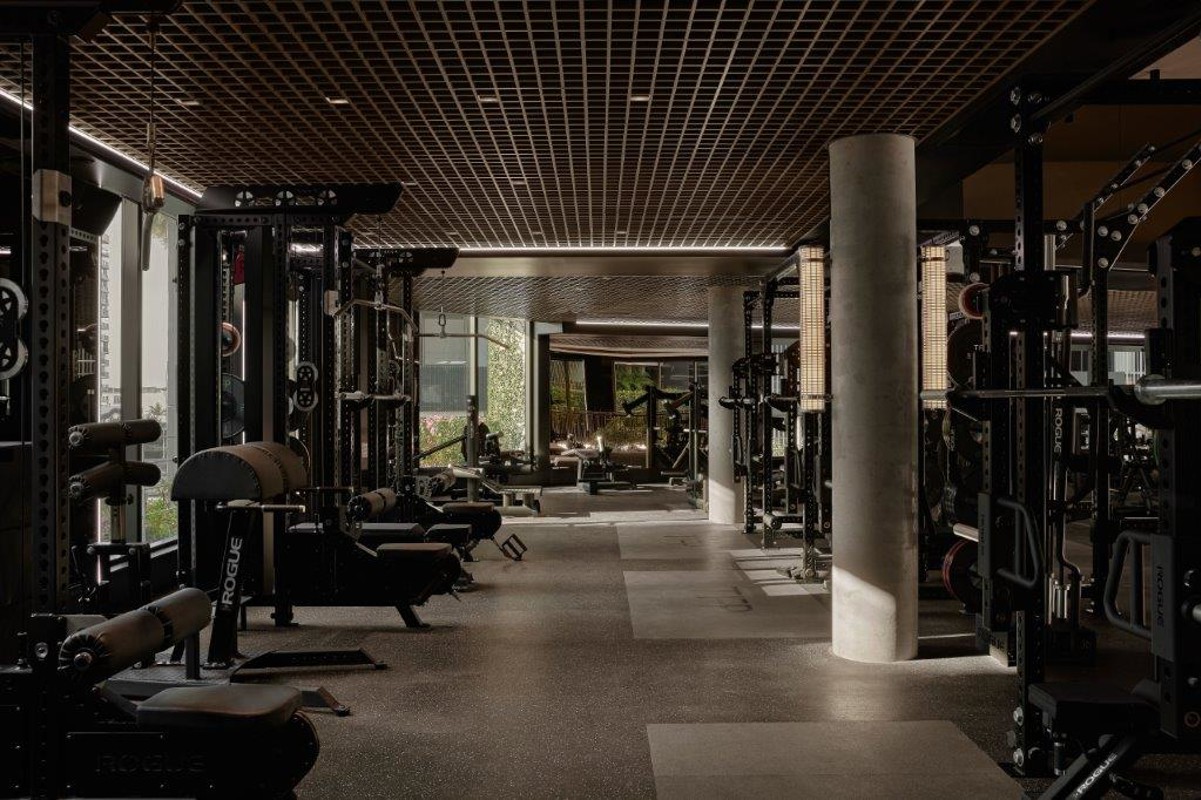
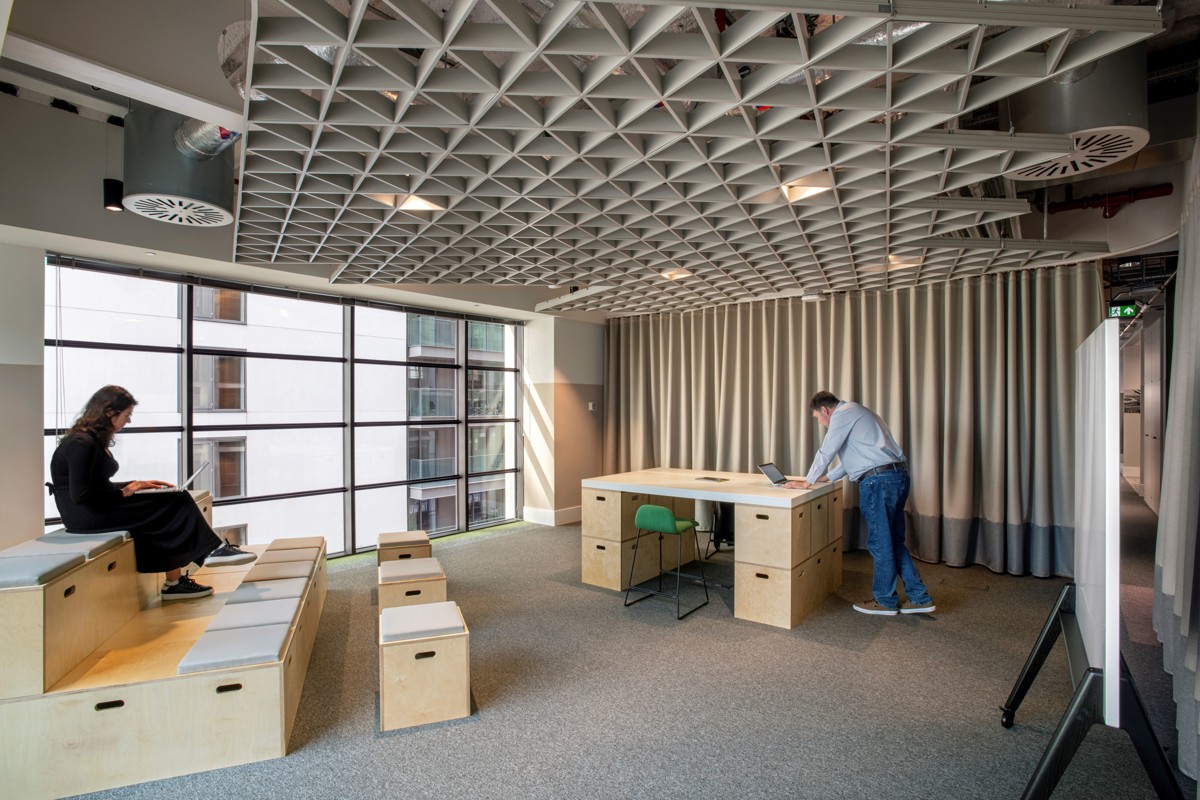
Another defining characteristics of open cell ceilings is their ability to create depth and dimensionality.
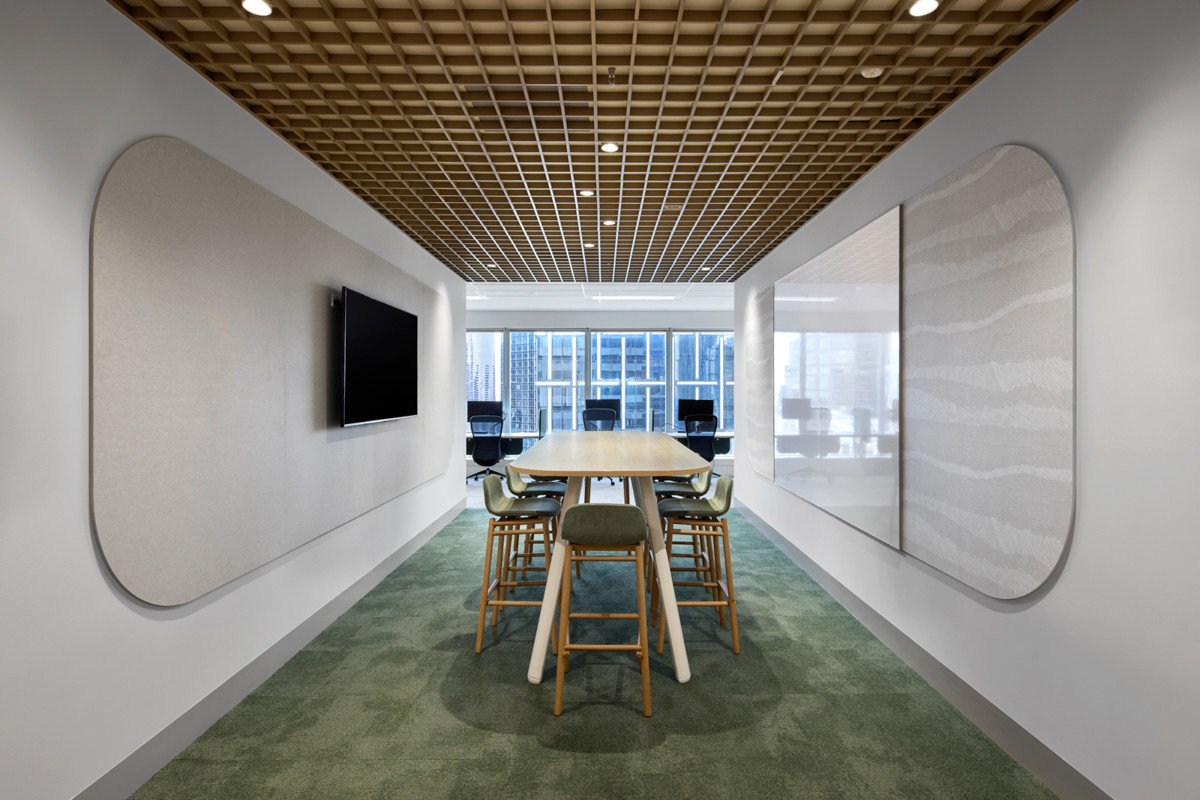
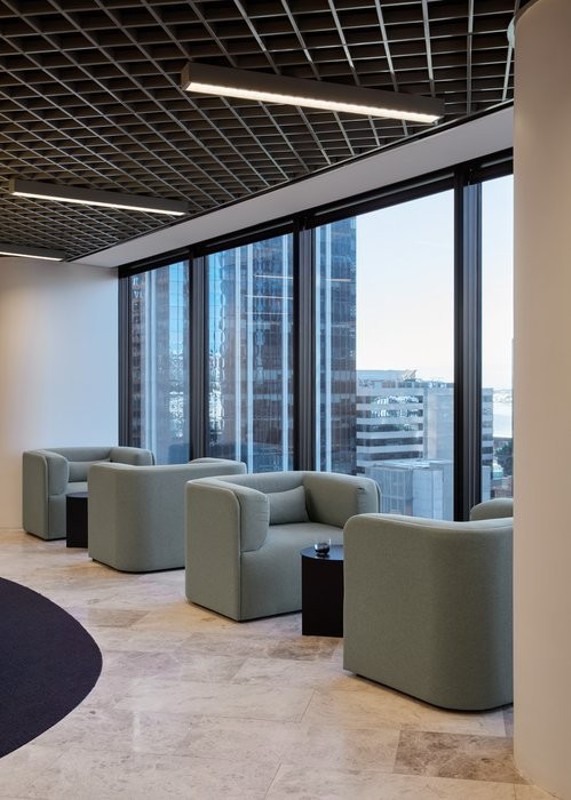
Unlike flat ceiling systems, open cell grids introduce shadow lines, transparency and visual movement across large ceiling spaces. This creates a more sophisticated and layered design outcome, particularly in large open-plan environments.
Designers are increasingly using cell size, module depth and colour selection to shape the character of a space.
Large format cells can also create bold linear perspectives and openness, while smaller modules provide finer visual texture and a more refined aesthetic. The ceiling itself becomes an active part of the architectural composition.
The Rise of Custom Finishes in Australian Projects
Another key trend driving the popularity of open cell ceilings is the growing use of customised finishes.
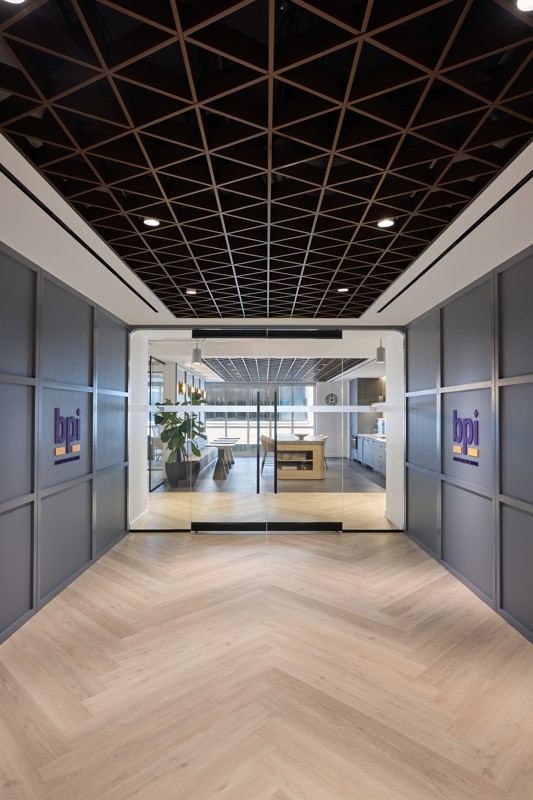
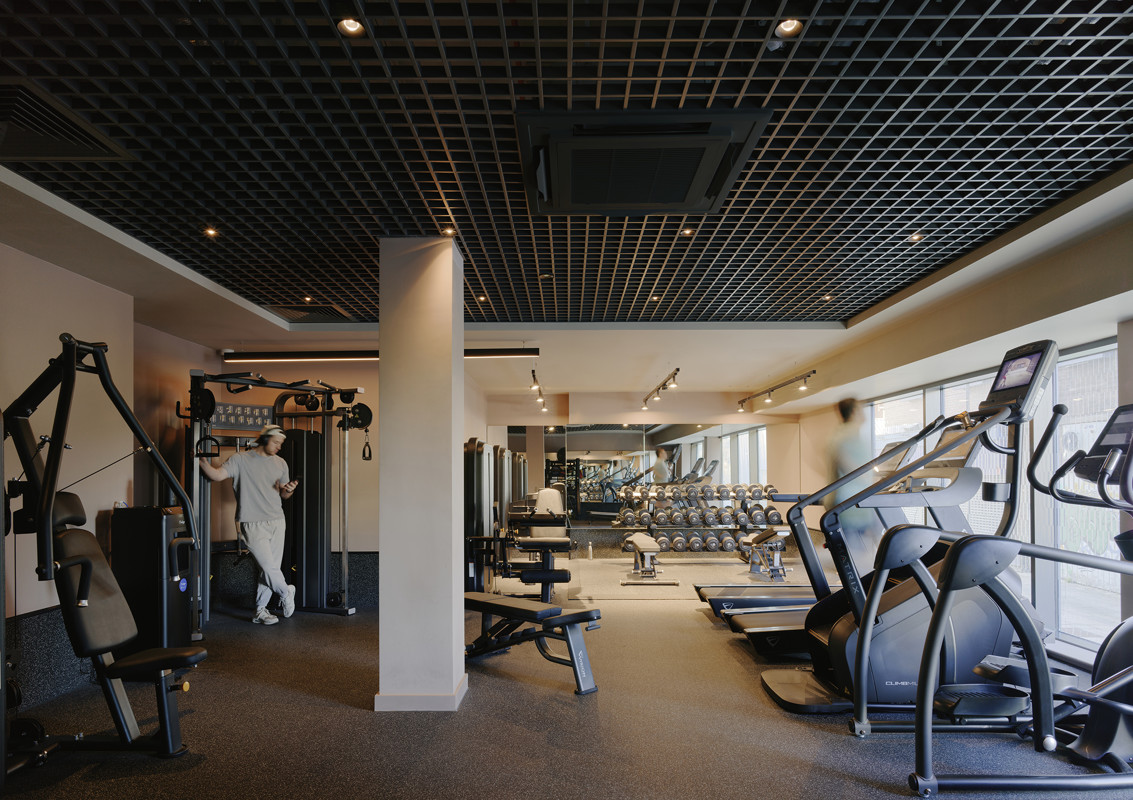
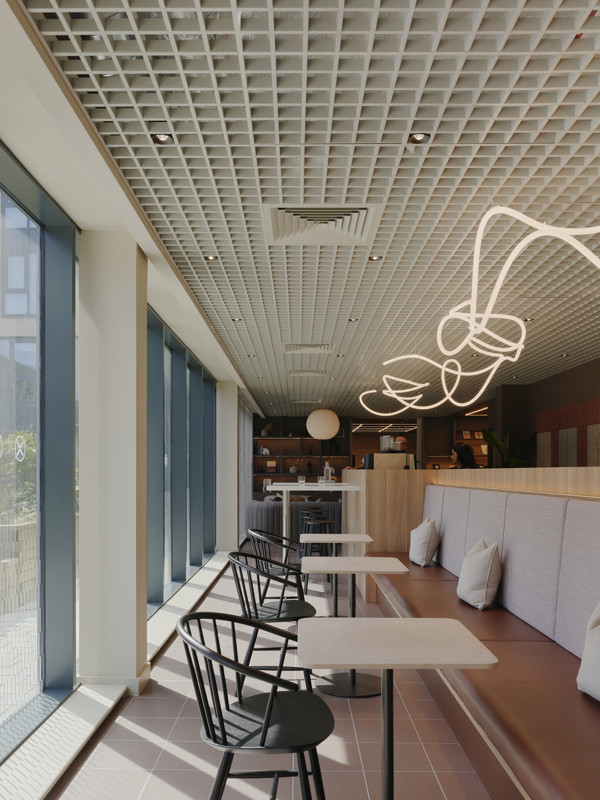
Architects across Australia are moving beyond standard white ceiling grids and using open cell systems to introduce stronger visual identity into projects and in some cases corporate branding.
Recent design trends include the following projects:
Case Study: Stantec Head Office, Melbourne
Case Study: TotalFusion Platinum Newstead, QLD
These finishes allow open cell systems to become a feature element rather than simply a ceiling solution.
The flexibility of systems such as SAS 800 & SAS 810 Open Cell ceilings enable designers to tailor ceiling layouts, cell dimensions and finishes to suit the architectural intent of each project.
Balancing Openness with Acoustic Performance
While aesthetics are becoming increasingly important, acoustic comfort remains essential in contemporary interior environments.
Open-plan workplaces, education spaces and public environments all require careful acoustic consideration to improve occupant comfort and usability.
Open cell ceiling systems can be combined with acoustic backing materials and integrated acoustic solutions to help manage reverberation while maintaining the desired open ceiling appearance.
A Ceiling System Designed for Modern Architecture
Ceilings are no longer viewed as purely functional building components. Instead, they are being used to shape spatial experience, improve building adaptability and reinforce architectural identity.
Open cell ceiling systems allow architects to create interiors that feel open and contemporary while still meeting the practical demands of modern buildings.
At SAS International, we continue to work closely with architects and designers across Australia to deliver open cell ceiling solutions that combine accessibility, acoustic performance and architectural expression in a single integrated system.
Contact us below to learn more

